Cosmos De-Centralized
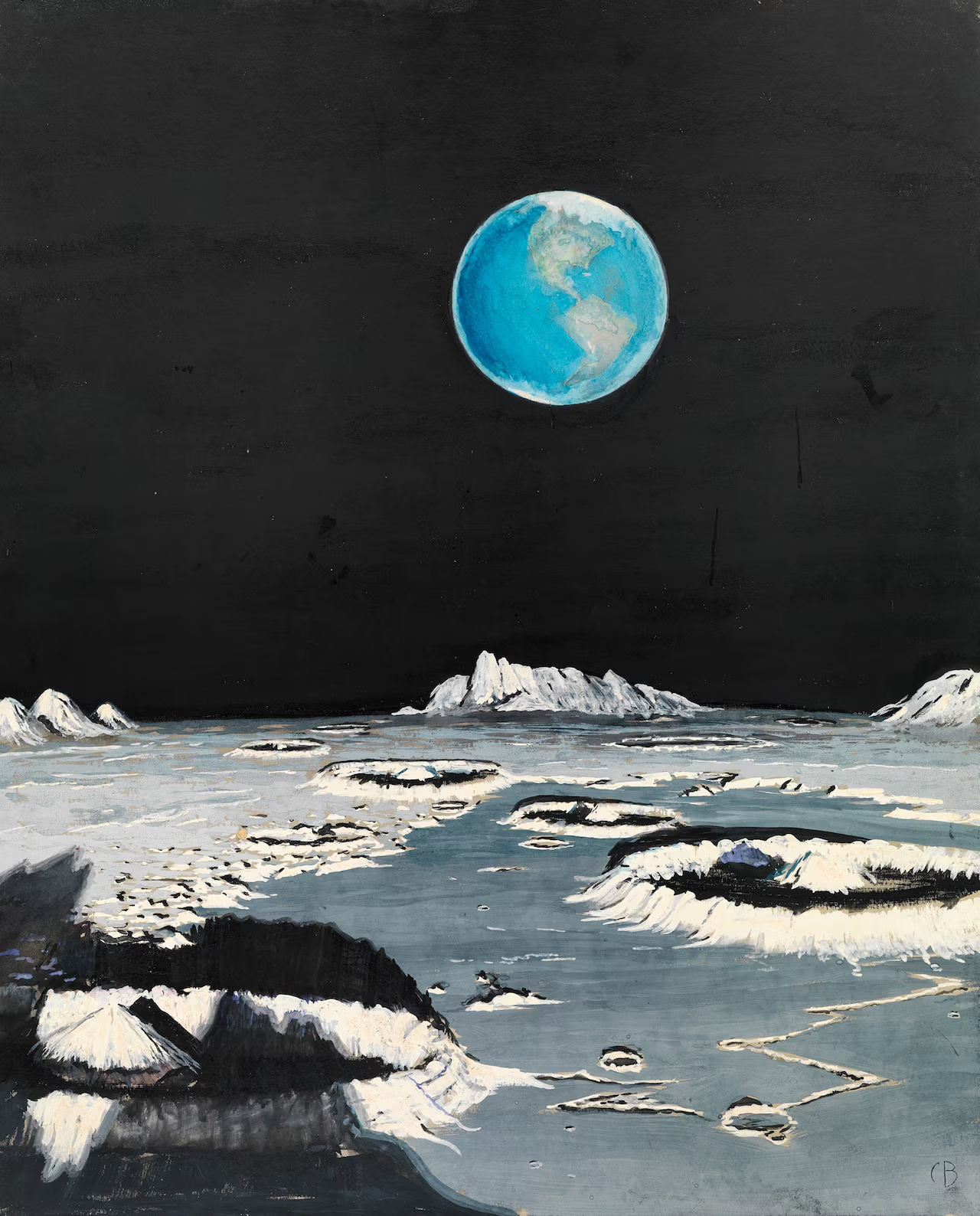
Ever since the Copernican revolution, the cosmos has become paradoxically more and less graspable to human understanding. What was once a night time ‘wandering star’ is now a classified planet with numerical stats moving at a measurable, albeit baffling, distance from us. How do we relate to a planet, like Saturn, if it is 916.43 million miles away?
If people used to see the earth as the center of the cosmos, they certainly also felt themselves at this center. Therefore, the idea of relating personally to a wandering star was far more intuitive than it is now. After all, the star seemed to be moving not in the abstraction of ‘outer space’, but in the little dome of their sky, like a wayward dog who senses a hearth.
The practice of astrology can open one’s mind to a personal connection with the cosmos. It often takes just one symbolic signature, recognized deeply and undeniably, to get a person curious enough to continue learning. As the signs and symbols are better and better grasped there is more and more to contemplate.
But all of a sudden there is too much information. You can hear yourself wondering where am I in this chaos? I had myself with the Sun sign and lost it in the intimidating complexity of the rest of it! What is the solution here?
What is the best way we can, as individuals, relate to the grand scope of a personal cosmos?
A Philosophical Approach
What we need is a thoughtful look at common terms we think we understand, like ‘individual,’ ‘relate,’ ‘personal,’ and ‘cosmos.’ These words need to be reconsidered in a philosophical way.
Individual does not just mean one person. It means (from its Latin roots) the undivided one. It is a personal quest to attempt to answer how one could move towards a feeling of indivisibility. It takes awareness of where one is divided along with a projected path towards reunion.
Relate doesn’t just mean finding common ground with something. Its Latin roots re (back or again) and latus (borne or carried) denotes a carrying back or a being born again.
And then take the word, the idea of ‘cosmos’. Originating from Ancient Greece, kosmos means ‘order’ or better yet ‘good order’.
All at once we have a re-framing of the original question. Instead of asking how an individual can relate to the cosmos, the question becomes: how can one who strives to be undivided be born again whole by embracing good order.
Cosmos Re-Centralized
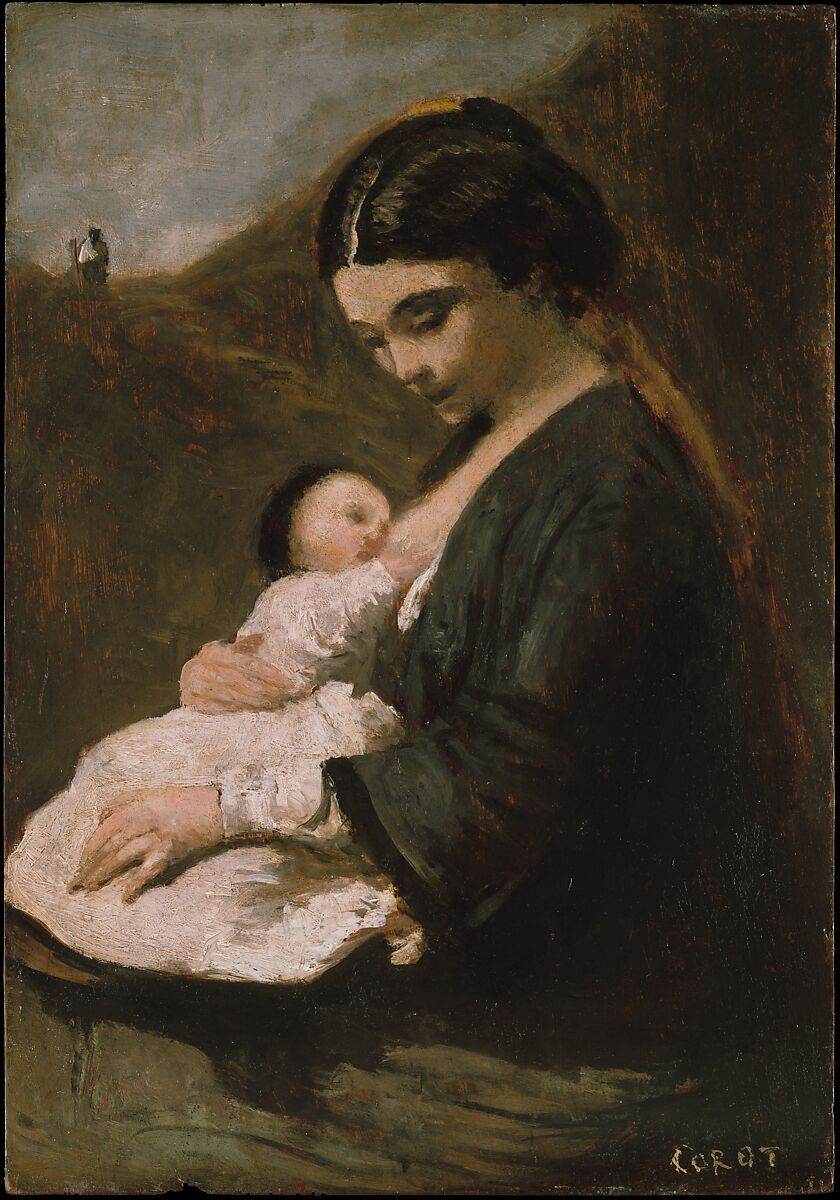
The divided one looks at a suggestion of ‘good order’ with the birth chart. This was the moment the cord was cut and instead of sharing the bio-field of the mother they righteously established their own field. The earth, the cosmos, embraced them with currents. Thanks to this field, the child will learn to navigate, use the strange forces of gravity, sensation and intuition throughout life.
From the electromagnetism of the birth mother to the electromagnetism of the earth mother, we are embraced and established as a real system within a larger one.
This cree of independence ‘carry’s back’ air into the newly born. Life begins in an alien world, far more dry and bright. The womb was a cozy dream, the world seems stark and cold.
The birth chart captures this tenacious and triumphant moment when the individual said yes to the adventure. A sacred contract was born, a special road map to reflect on. The road map doesn’t just preserve one path, it opens the doors to countless paths. The only singularity it offers is in a feeling of wholeness. This feeling brings coherence to the system and allows it to function better on whatever path it may take.
In other words, the focus is not on events or destiny. It is on coherence, wholeness and healing that awful dividedness and alienation we experience from our own nature.
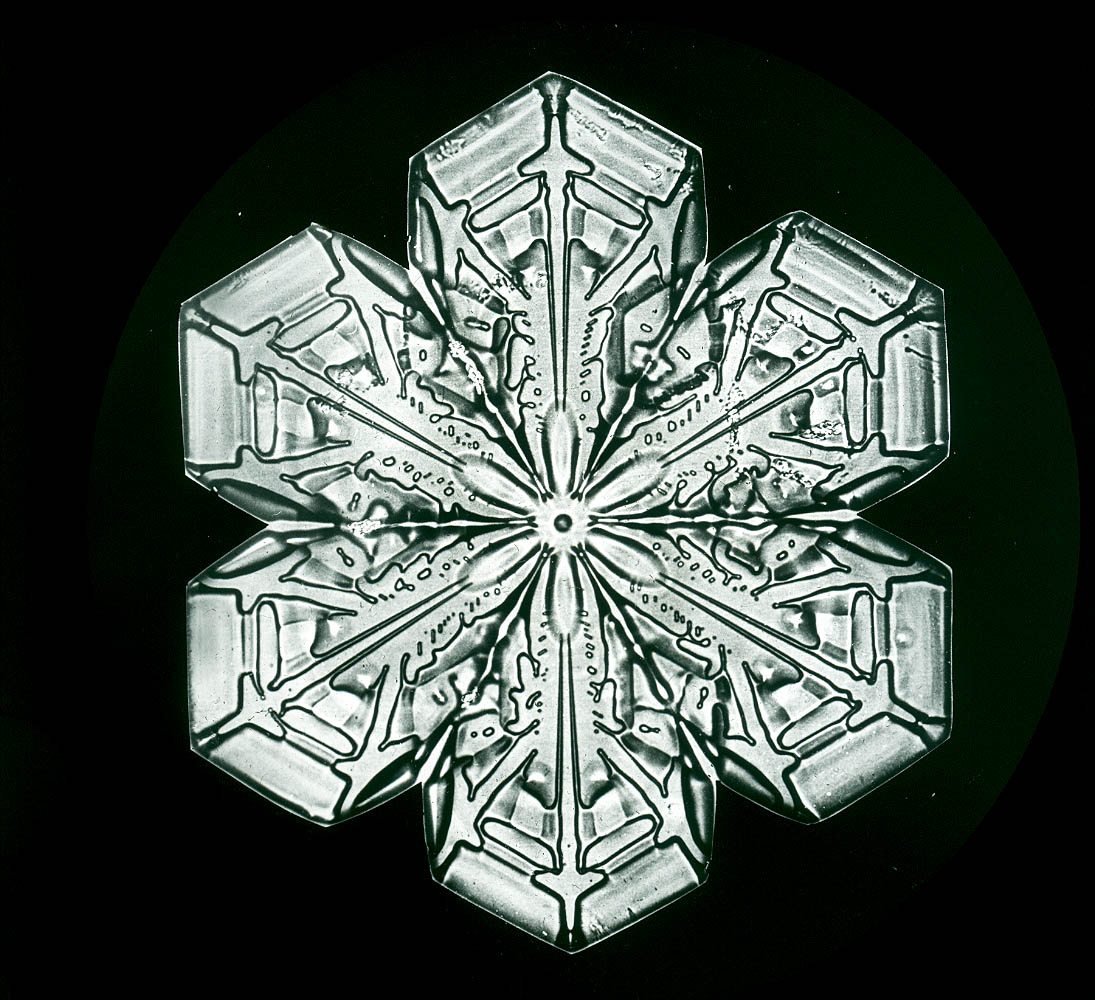
The birth chart provides a mandala of beauty. It invites one to glimpse themselves as whole and magnificent. It draws a person into a corner of it which, in fractal likeness, sends glimmers of the whole to the receptors of the soul.
I encourage the reader to relate the birth chart as a touchstone that can carry back to them the right rhythms.
Featured art: Icarus by Henri Matisse 1943-1944


 nature's zodiac
Leave a comment