“Do you want to see a solar system?” A friendly voice asked us. “Come take a look”.
Geo and I approached a group of people at a curious display. A smooth yellow ball, like a billiard ball, sat in the middle of what looked like a sunken trampoline. “Here, put these planets into orbit”. A woman handed Geo a couple of marbles. He released them into the ‘system’ and they orbited the ‘sun’.
“Now let’s see what happens when you put a much heavier planet into orbit with a much lighter one”. He threw in a big marble with a little one. And what we saw astounded me.
The little marble instantly became a moon, orbiting the bigger planet as they both orbited the sun. In an instant, in a corner of a science museum, with a simple invitation, the physics of the solar system was truly seen, experienced, and participated with.
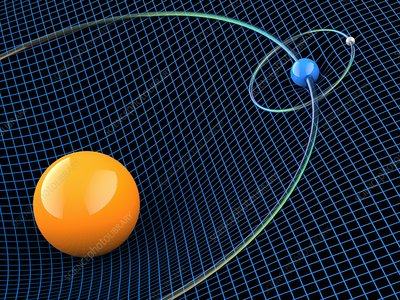
How can this dense center of the solar system bring such staggering and dependable choreography?
The sun actually orbits around another center. It orbits a black hole named Sagittarius A*. The true center of the galaxy is a black hole. Metaphorically speaking, it is the unknown.
The sun, our ultimate source of light and warmth, orbits a darkness, a fertile and mysterious place.
The supermassive black hole, Sagittarius A* is located in the constellation of Sagittarius, near its border with Scorpio. Specifically it is in the spout of the ‘teapot’ whose steam is the milky way. This was also the original shape of Sagittarius bow and arrow.

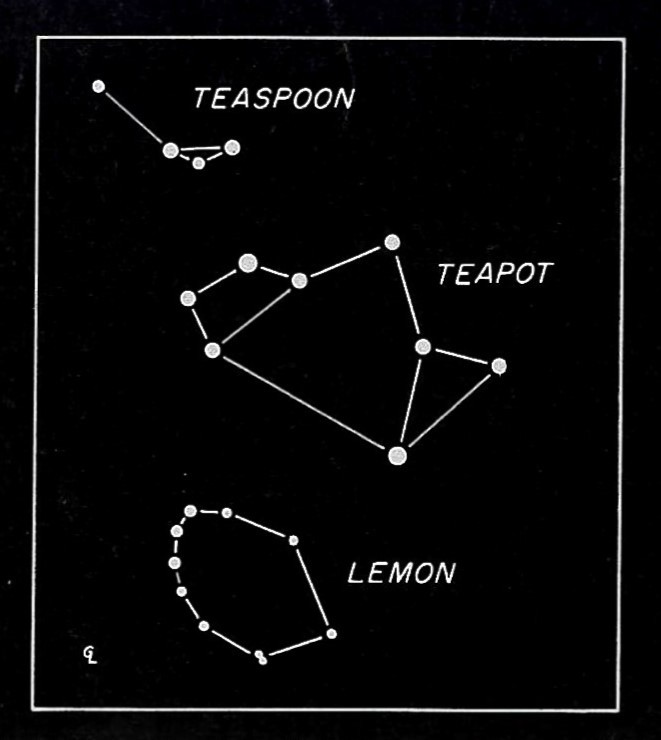
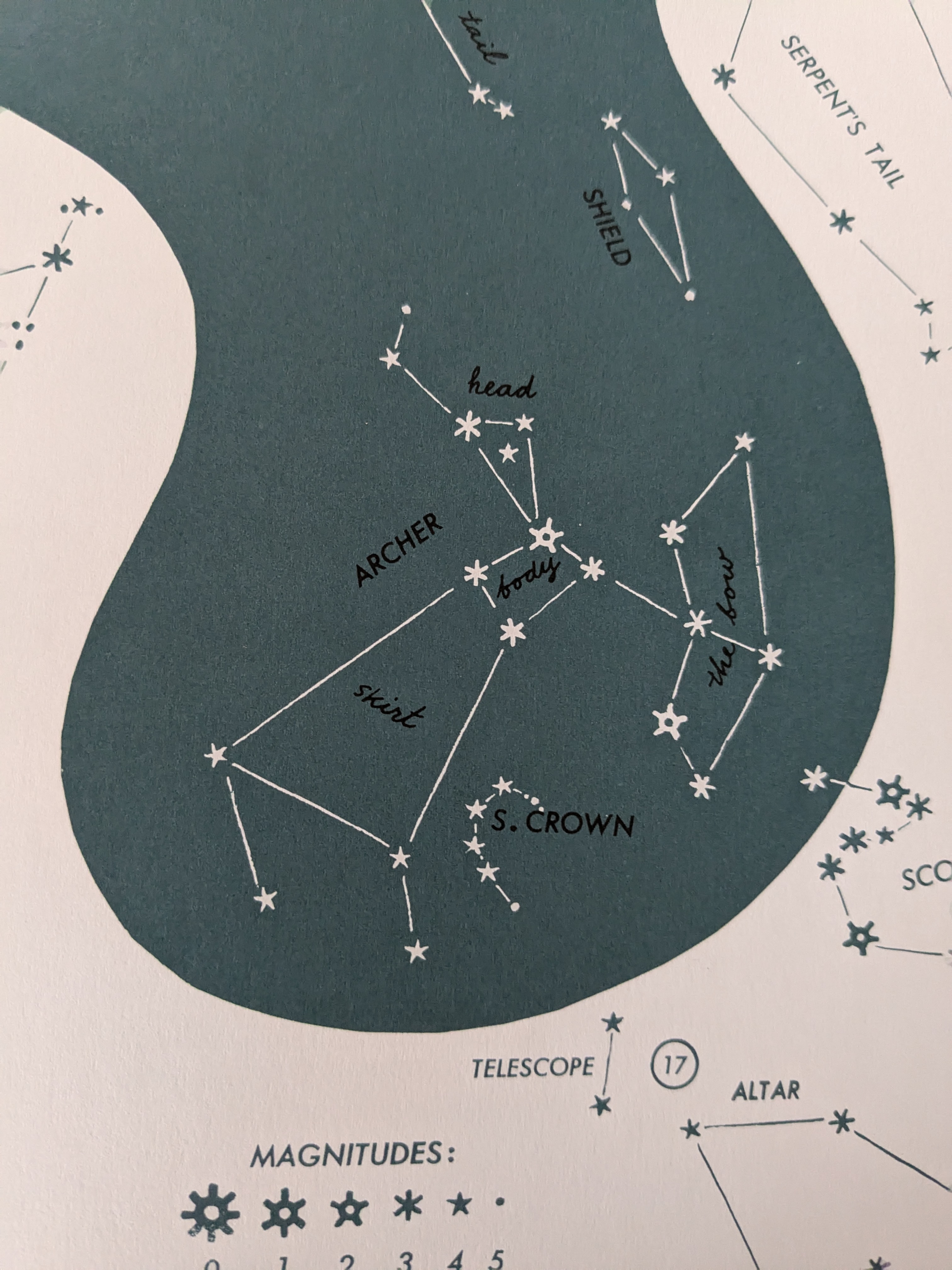
The galactic center is intriguing with its unfathomable darkness nestled, in the Milky way with such wondrous bright twinkling. In fact, near the brightest pieces of the milky way is where we find the constellation of Ophiuchus, the Serpent Handler, that conundrum of a 13th sign in the zodiac ecliptic that sits between Sagittarius and Scorpio. Sagittarius represents the known, and Scorpio, the unknown.
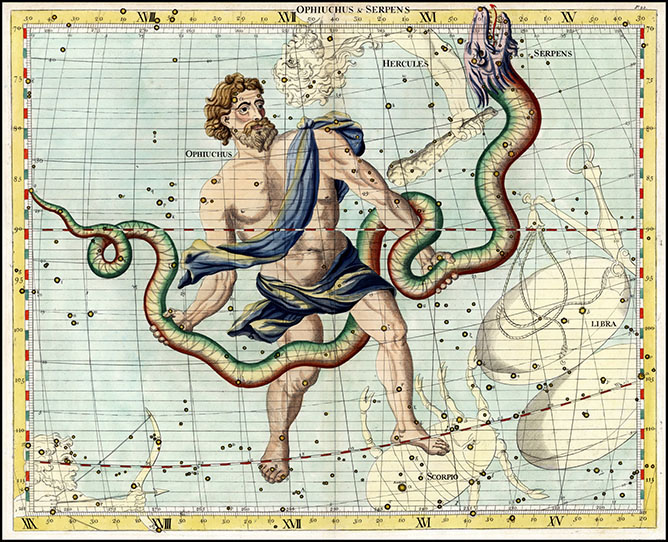
Ophiuchus seems to represent a power, maybe yet to be truly consciously embraced by humanity. A power of recognizing a brightening process that transpires from deep within a center, maybe a center we share with the universe as toroidal creatures in a toroidal system? This power seems to make lightness out of darkness, making the known out of the unknown.
I can’t help but notice the root word PHI in Ophiuchus and think about phi as the golden ratio a.k.a the fibonacci. Just like each number in the fibonacci sequence is built by adding the two numbers before it, our knowledge grows by building what we already know and adding new discoveries as we explore new ideas.
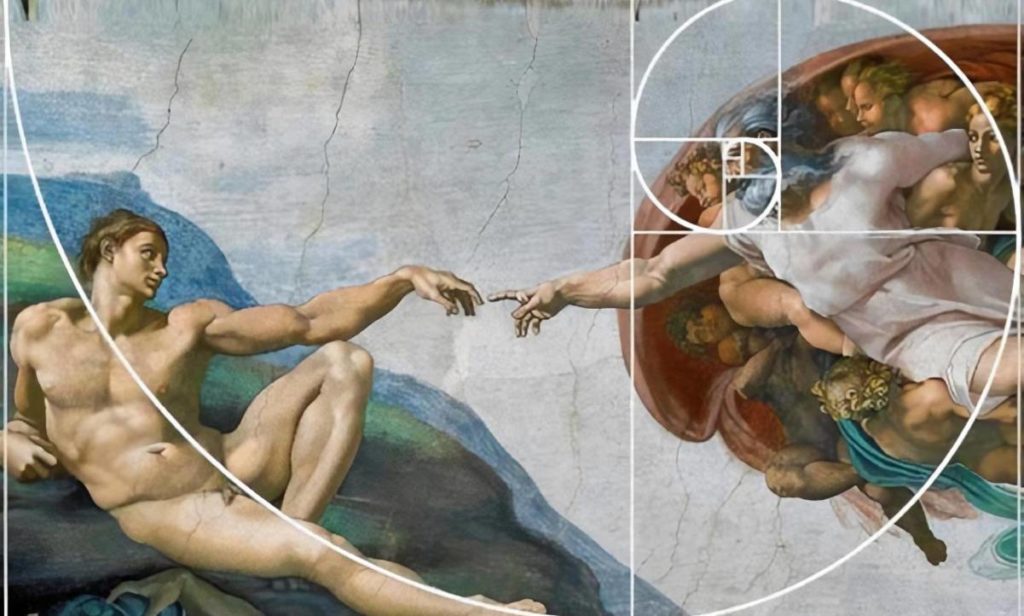
When we encounter something we don’t understand (the unknown) we use what we already know (the previous numbers) to help us figure it out, and then that new understanding becomes part of our foundation for future learning, just like the next number in the sequence.
Phi is like a metaphor for learning. Each step forward depends on what you’ve already learned, as you keep exploring your knowledge grows in a beautiful and expanding pattern.

Swiss psychologist Jean Piaget believed that when we encounter the unknown, we learn by actively exploring and trying to make sense of it. He said that children are like “little scientists” who build their understanding by interacting with the world, testing ideas, and adjusting what they know when they discover something new. He famously said “what we see changes what we know. What we know changes what we see.”
Sometimes, after a day of swim practice, bike riding, and play rehearsal Geo will look more grown up at dinner! ‘Can it work that fast?’ I ask myself.
Is the solar system based on this basic process of turning darkness into light, the unknown into the known?
Could the light in us be united, in principle, with the light near the galactic center?
I wonder.


 nature's zodiac
Leave a reply to Tess Hadley Durand Cancel reply