I was delighted to find out that today is Global Quantum Day. It is celebrated on 4.14 because 4.14 represents the rounded first three digits of Planck’s constant.
Global Quantum Day has been in observance for only five years, ushering in a most significant paradigm shift: an awakening to the quantum biophysics that underlie all of nature.
Science, on the whole, has been dissecting nature for centuries, and deriving truth from the parts without a real reference to the whole. But things are changing. Poetry and science are merging as hidden harmonies of the natural world come to light.
The discovery of nature’s fundamental quantum base shifts the understanding of the human body from a “chemical-mechanical” collection of separate parts into an integrated, three-dimensional continuum of energy and information. The Newtonian model that segments the body into layers and compartments gives way to the quantum one, which reveals a “beautiful web” of interconnection where the smallest pieces of anatomy (DNA, mitochondria and fascia) operate as a single biological entity. It is all so romantic!
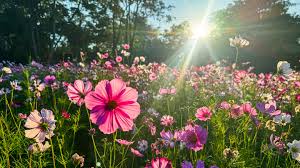
The Romantics thinkers would be celebrating until the dawn’s early light at such a quantum leap in global understanding. They sought to merge poetry with science and art with observation to reveal essential “hidden harmonies” in nature that served as vital and spiritual necessities to overcome a “broken world”. They sought to restore the human spirit to “its ancient possession, nature” as a direct reaction against the Enlightenment’s “cold philosophy” and mechanistic view of the universe.
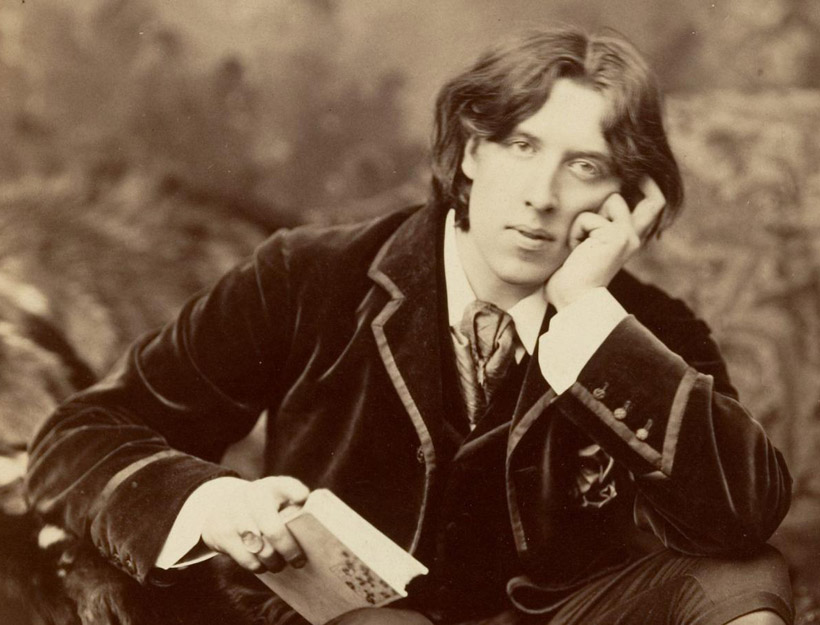
Oscar Wilde famously said “The very essence of romance is uncertainty.” It turns out that this is true for nature. In nature, uncertainty is a catalyst for exploration, a prerequisite for epistemic evolution! The Romantics viewed uncertainty not as merely a lack of knowledge but as a fundamental condition of human existence and a renewed focus on the subjective individual. For the Romantic hero, uncertainty was the catalyst for the quest.
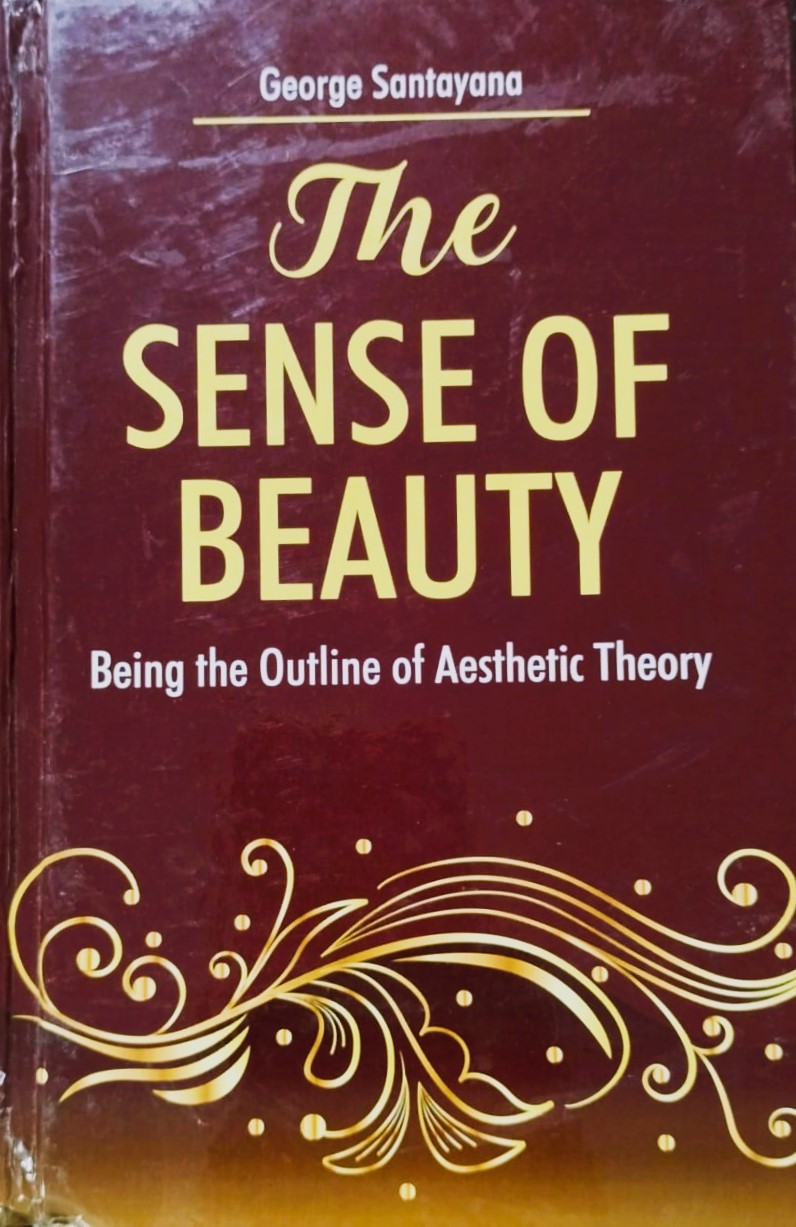
The Romantics sought a dynamic synthesis with the natural world. They saw themselves as individual, active and creative participants in a living, spiritualized world. Such synthesis is ‘qualitative’, something that the philosopher George Santayana saw to be the best response to uncertainty as it invites one to the “art of living”. He suggested that we should employ qualitative synthesis to treat our own lives as a work of art, or an oeuvre, in order to establish harmony in an inherently uncertain world.
Anyway, I am excited for this Global Quantum Day. I announced it to my family before I even said good morning (to much confused and sleepy stares). It must be the Romantic in me, the modern Romantic, that is.
Happy Global Quantum Day! Here’s to harmony, romance and life as an art.
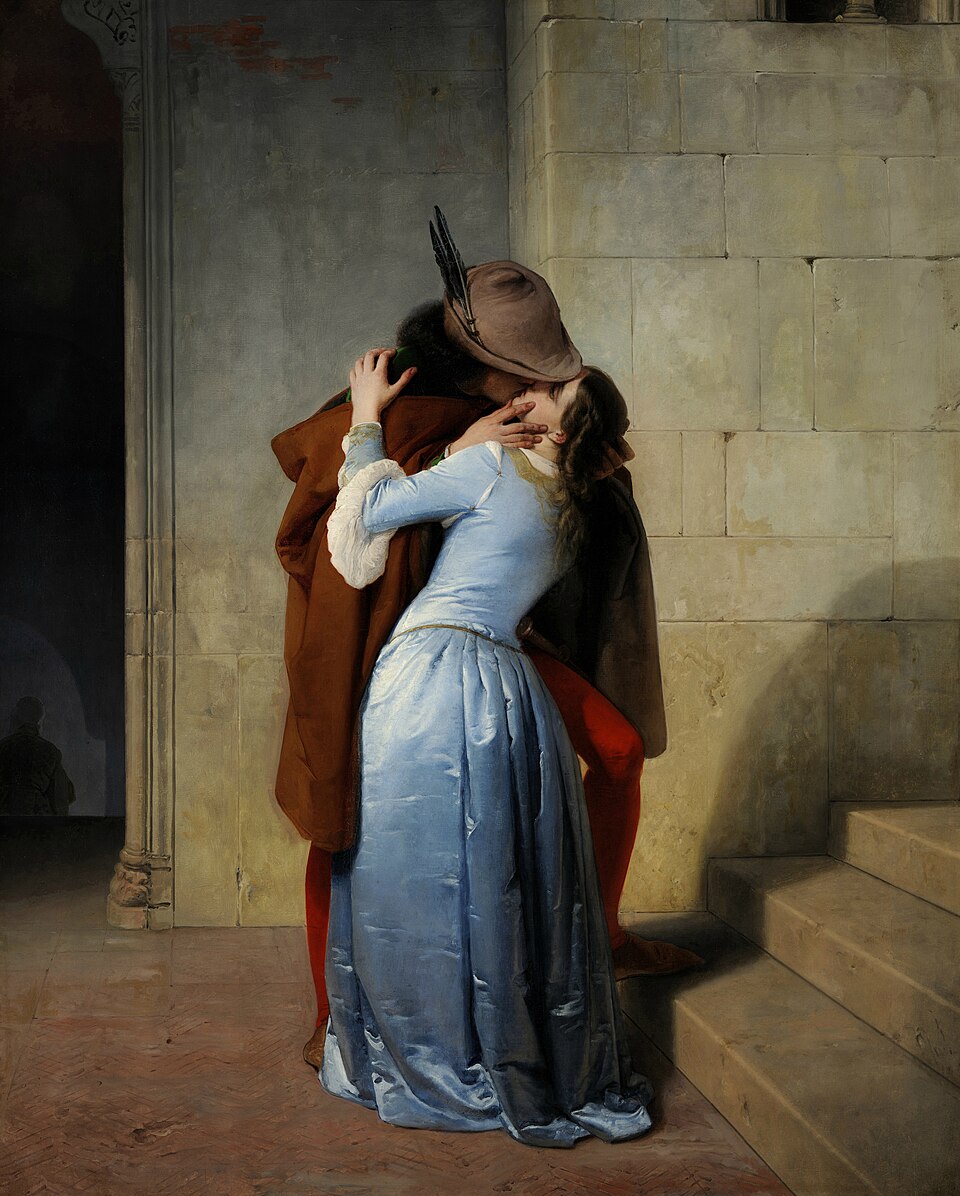
Featured Art: Francesco Hayez, The Kiss, 1859




Leave a Reply