“I have the best idea,” Geo said to his friends, who are super-spirited sisters. “Let’s play cops and robbers, and we can use this real jail cell.”
“YEAH!” they said.
We were making the enjoyable rounds at Shelburne Museum, which at the far end of the layout features a 19th-century jailhouse.
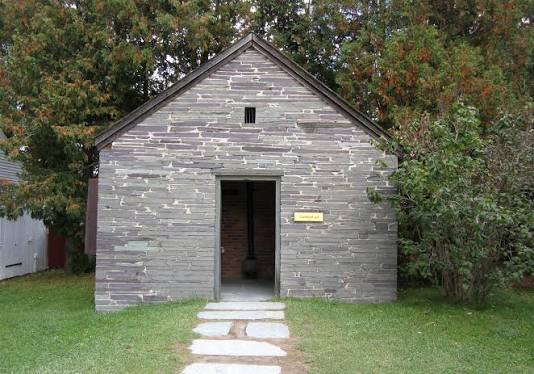
“I don’t think so,” I said. “It’s not really a place for running around.”
“Tess,” one of the sisters said, “children need to run around to release energy.”
“OK, run around in the green space and use the jail, but don’t run in the jail, and quiet down when other people come in.”
“OK!” they all chorused.
Moments later, us moms are sitting in the shade chatting to the backdrop of gleeful screeches.
I was glad they fought for their energy “rights” and charmed by their thirst for realism in their imaginative play (wrought iron-barred doors and all!). I felt the stirrings of the Harvest Moon that was waxing, not only in bold and energetic Aries but also sandwiched between Saturn’s rules and Neptune’s ideals and dreams.
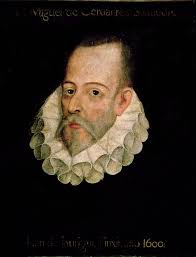
I did some quick research on people in history who had bold ideals (Aries Moon and Neptune) and strove diligently to get them (Saturn.) I zeroed in on Miguel Cervantes, the 17th-century Spanish author of Don Quixote, because just the other day, Grandaddy introduced this literary figure to Geo, who was in favor of a hero “fighting” windmills.
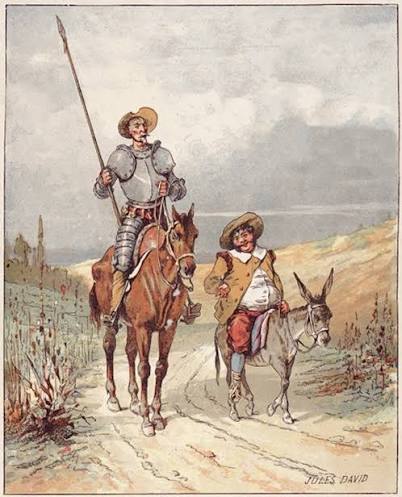
Don Quixote, the protagonist, views the world through a lens of noble ideals, transforming ordinary experience into epic quests for honor. Windmills menace as giants, inns elevate into castles, and peasant women stand tall as noble princesses.
His squire, Sancho Panza, sees the world exactly as it is, driven by practical needs like food and safety. This contrast highlights the clash between grand dreams and practical reality, yet their journey ultimately transforms both men, as they each become more like the other.
Other famous duos that act this drama out include X-Files’ Fox Mulder “wanting to believe” against Scully’s meticulous calculations, or Sherlock Holmes’s pure and obsessive intellect alongside Watson’s practical, everyman perspective.
Parents and children are the ultimate Sanchos and Quixotes. Sancho-Parents are always having to ground practicality into their little dare-deviling Quixote-dreamers. And children will inevitably influence their parents to imagine, wonder, and play a bit more.
This dynamic dialogue takes place in each of us, as we dare to weave our dreams into real life and real life into our dreams. Do you feel these themes at play in the aftermath of a Harvest Moon and the onset of a new season? Which side of the spectrum are you finding yourself on? Are you more like Quixote, more like Sancho, or a good blend of both?
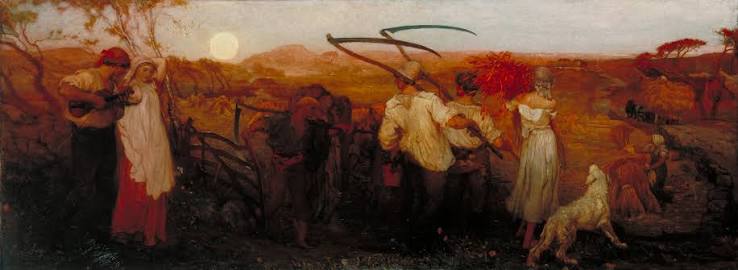
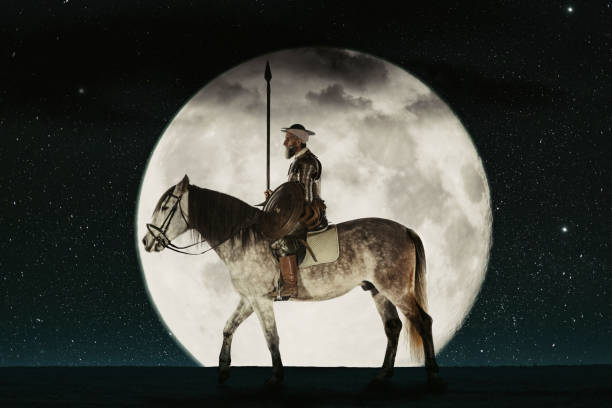
Cervantes himself was born under a Harvest Moon (September 29, 1547), with bold ideals sealed into his romantic quest. Yet his romantic spirit faced harsh reality when he was crippled in battle and enslaved for five years.
He actually conceived of the character Don Quixote from a jail cell. After a bank holding his funds went bankrupt, he was jailed for debt. In the prologue of the book, Cervantes explicitly notes that his story was “engendered in a prison.”
Though the Quixote stories are parodies of chivalry, they preserve a deeply romantic natural truth: imagination and noble purpose are necessary forces in human life.
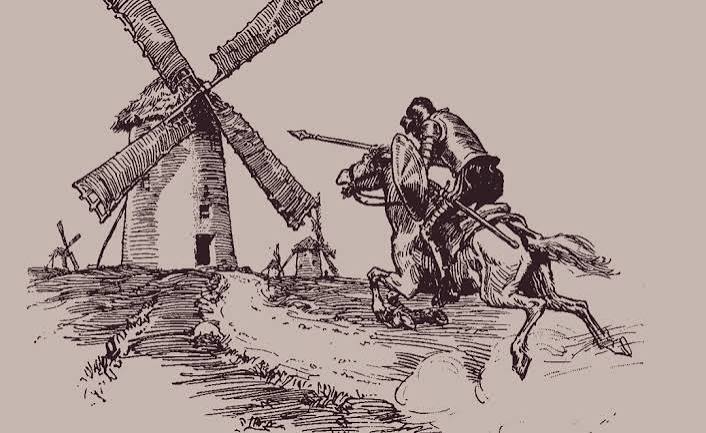
Of course, Sancho is needed too, like when the Moms realized that three of the children’s belongings were in the jail cell at the other end of the museum grounds with minutes to spare because of a dance lesson (my legs are still sore!). Even then, Quixote triumphed as a “little dog and his trainer” rushing back, with potato chips as “dog treats” for good spins and tricks.
In our haste, I noticed more leisurely passersbys utterly charmed by their Quixotic antics. The full tilt of the new season begins, a season known for its bold colors and sobering temps. It is the most romantic season, and I “fall” for it every time.
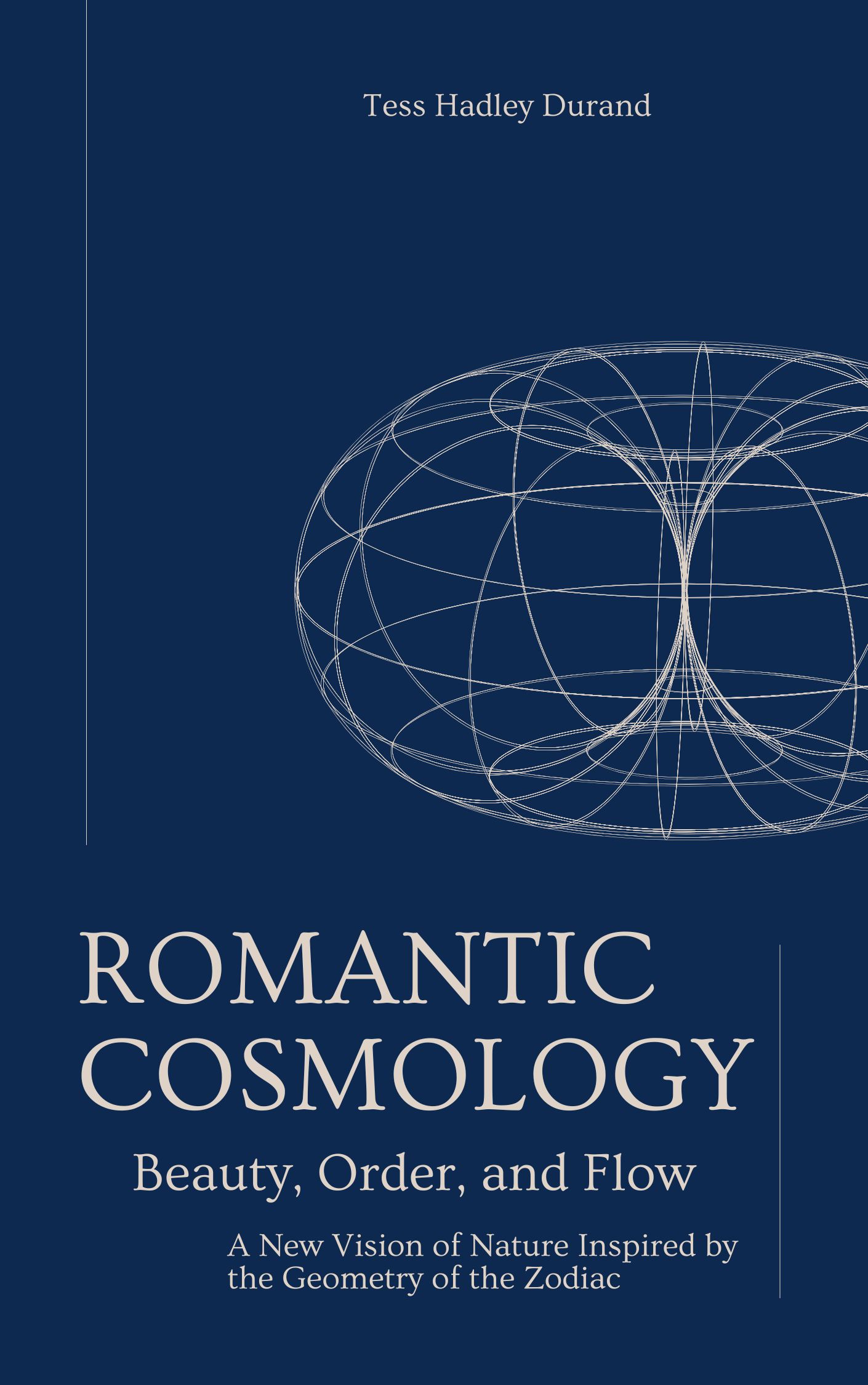
My new book, Romantic Cosmology: Beauty, Order, and Flow; A New Vision of Nature Inspired by the Geometry of the Zodiac, is now available on paperback, Kindle, and download.



Leave a comment