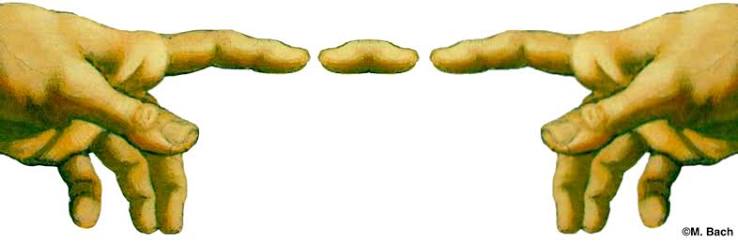
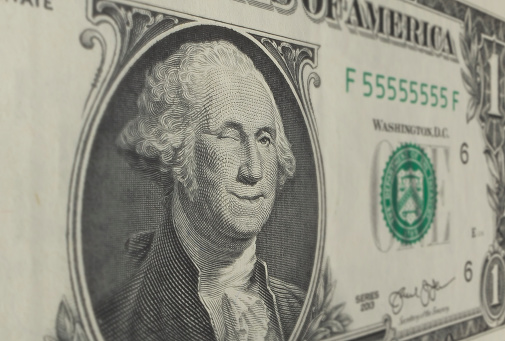
A dollar can sometimes go a very long way. Days before Halloween, a library book sale featured a vintage book on magic tricks. We bought it for one dollar. The tricks were good, often involving perceptual deceptions, like afterimages or illusions that come from the overlap of the two eyes as separate cameras (the floating finger).
Geo astonished his friends by “driving a needle into his finger” (actually a carrot) and allowing his ghost friend “Willie” to eat his cup of candy (that had a hole in it). We had a touch of “illusion mania” that led to a cozy homeschool meet of sharing some strange images and facts about how our brains make sense of information.
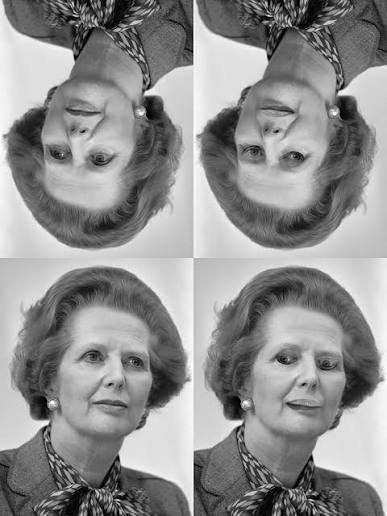
The next day, he got into more magic tricks. And this was yesterday. And he worked on magic tricks all day long. With a strange and casual confidence (like he had some mysterious history of magicianship that I knew nothing about), he demonstrated trick after trick, often with slick slights of hands in between. My jaw kept falling to the floor.
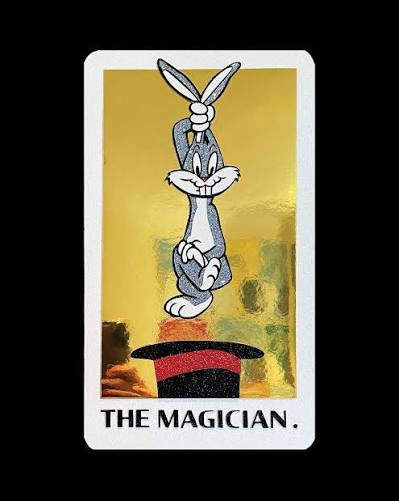
Magic astounds by changing the world before you in a way that does not make immediate sense. And even when I knew the trick (a stick taped to the back of his thumb), I sat in wonderment at the illusion he displayed against a setting sun in our backyard as he made the stick appear and reappear, with a grin resembling that of Peter Pan.
In her book, The Philosophical Baby, Alison Gopnik writes that our capacity to change our world is what makes us most human. She says childhood is a prolonged state in which we can exercise this capacity so that we can use it most effectively as adults.
Children lean into imagination and play with highly plasticized (shapable) brains. Adults have less flexibility, as their executive function takes over and their neural pathways are pruned to favor the paths more traveled and forget the ones not needed as much. The journey from the childhood brain to the adult one is not so much about erasing all of this verdant capacity for change but rather learning how to steer it.
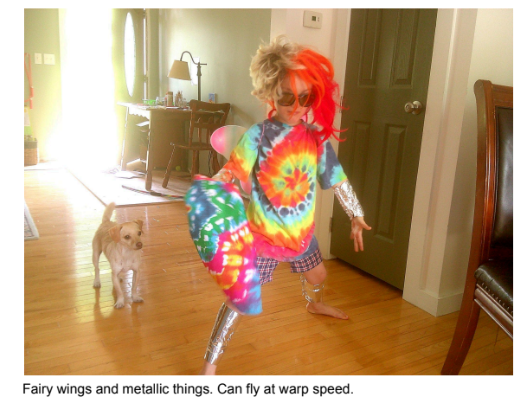
Ultimately, childhood play constructs the very cognitive engine that makes self-directed work possible. Play provides the raw material (the internal models, creativity, and intrinsic drive), while brain maturation provides the steering wheel (executive function and focus).
In remembering that it is our capacity to change ourselves and our worlds that makes us most human, I sense an invite to an ongoing magic show. One where I am both spectator and creator. What might I try today? How might I employ my imagination for better steering? How can I play with planning, and how might I also plan for play?
And thanks to that dollar that went such a long way!
Happy nature pondering!


Leave a Reply