One morning my boy and I were watching Sesame Street. The subject on hand was nature. The question was posed: what is nature? To which an answer was supplied: “Nature is anything found outside that isn’t made from humans.”
From there, they tested some candidates against this criterion. Cows would make the cut; rain boots would not.
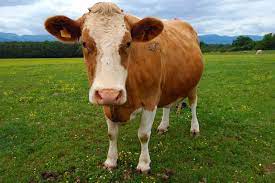

My son turned to me and said, “But aren’t all people nature?”
“Yes!” I said. “That is absolutely right.”
I looked up a few more definitions. Nature is the study of the physical world. The physical world—what does this term mean? Physics is concerned with both matter and energy. Energy is the strength and vitality required for sustained physical or mental activity.
I don’t know about you, but energy is quite elusive in my life. Sometimes I have loads of it, and sometimes it is nowhere to be found. Curious things stir up fresh energy in me. These are things like genuine interest, new perspectives from other people, or excitement for future plans. My car, when it is clean, or the fresh air of a beautiful morning also seems to create new energy within me.
If I am made of matter, and I can summon fresh energy within myself, is this not an example of the study of the physical world, i.e., nature?
You are outside of nature because if you were fully inside it, you wouldn’t see or experience it as separate. You are inside it because you cannot be truly separate from the elements of the natural world.
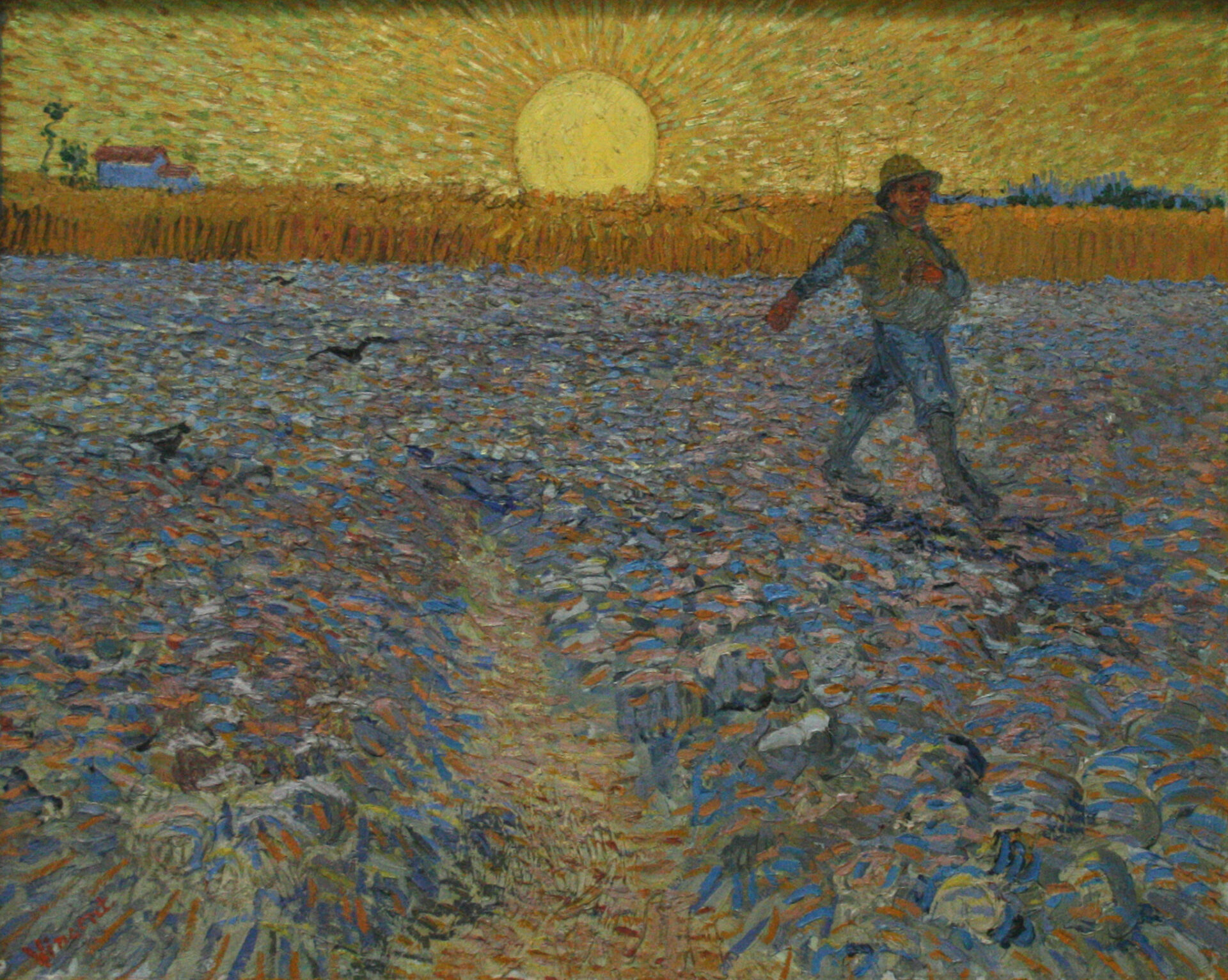
You make nature every time you summon fresh energy. You are nature in that you can grow: your body, your connections, your ideas, and your love.
Encoded in the twelve signs are laws of nature along with invitations to make new laws. The paradoxes that present themselves are intriguing, romantic, and worthy of loving and leisurely contemplation. A philosophical lens brings nature back in and out of focus. We come to trust these powers as our own.


Leave a Reply